
Your team

Meet the RF Microneedling Safety Team

Four physicians staff the Plastic Surgery & Aesthetics Medical Center at Chongqing West District Hospital. Dr. Ke He is the responsible physician for this site and reviews its content on energy-device complications; the Center Director guarantees the hospital response behind her, and the surgical and dermatologic members of the team carry the cases in which an energy device has done something that only time or an operation can address.

Specialist profiles

Who reviews this content

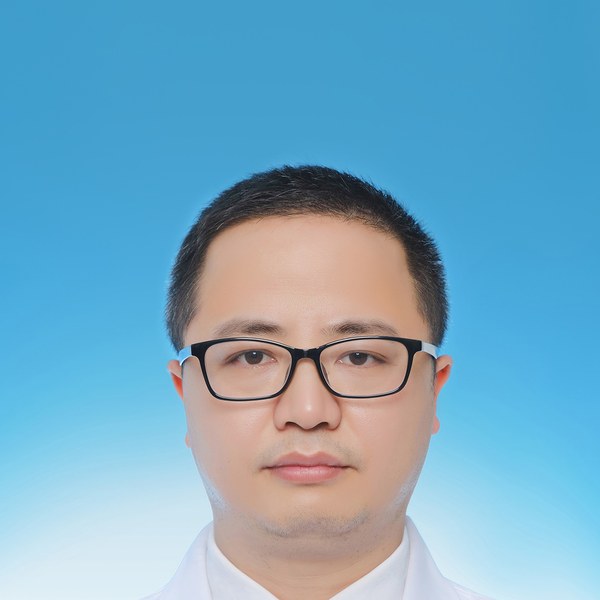
Ke He

Ke He (何锞)

Deputy Director & Head of Skin & Laser Aesthetics · Attending Physician, Licensed Aesthetic Attending · Lead Physician of This Site

Energy-device injury · pigment change · complication review

Dr. Ke He is Deputy Director of the Plastic Surgery & Aesthetics Medical Center at Chongqing West District Hospital and head of its skin and laser aesthetic service — and she is the lead physician of this site. A core specialist formerly at the Plastic and Aesthetic Surgery Department of Xinqiao Hospital, affiliated with Army Medical University, she has worked on the clinical front line in skin laser and injectable aesthetics for more than 20 years, serving over ten thousand patients.

Her assessment after an energy treatment follows a fixed order, because the order is what stops a serious finding being missed. She establishes first what was done and when, then whether the injury is a burn, an infection or an inflammatory reaction, then whether the pigment change is darkening or loss, and only then what can be done about it. The distinction she returns to most often is between a finding that is settling and one that is not, because that single question decides whether the right plan is treatment now or a review in a few weeks. She says plainly when the honest answer is that no further energy treatment should be given to that area, and she says it before a plan is discussed rather than after.

Clinical focus

  • Recognition and management of burns after energy-based microneedling
  • Telling post-inflammatory darkening apart from loss of pigment
  • Diagnosis and treatment of infection and herpes reactivation on treated skin
  • Judging when treated skin has settled enough for any further treatment
  • Review of complications that followed treatment elsewhere, from the record

Academic roles & achievements

  • Member, Laser Medicine Group, Chinese Medical Association Plastic Surgery Branch
  • Member, Facial Rejuvenation Group, Chinese Medical Association Plastic Surgery Branch
  • Member, Chongqing Plastic Surgery Quality Control Center
  • Published 5 papers, holds 5 national patents, and introduced 2 new clinical techniques

Darkening and lightening are not the same problem

Skin that has turned darker after treatment often settles with time and protection. Skin that has lost pigment may not recover, and no treatment reliably restores it. Both are called pigment change, and treating them as one thing is why some patients are reassured when they should be assessed and assessed when they only need time.
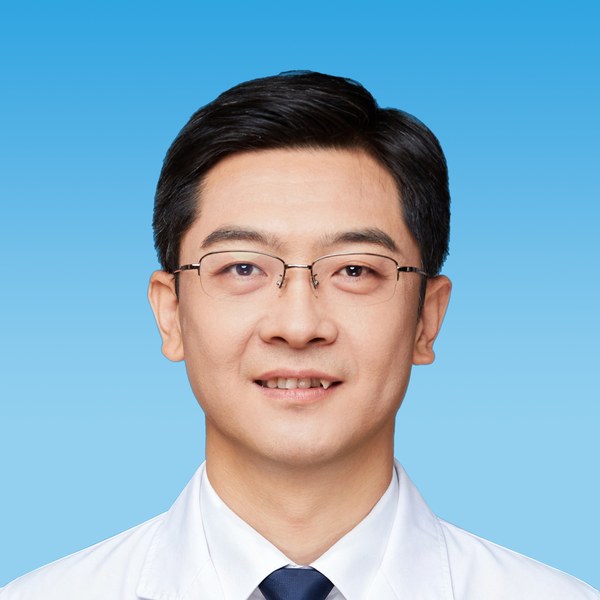

Shaoliang Wang

Shaoliang Wang (王韶亮)

Director, Plastic Surgery & Aesthetics Medical Center · Vice Chief Physician, Associate Professor, Doctor of Medicine

Centre leadership · hospital response

Dr. Shaoliang Wang is Director of the Plastic Surgery & Aesthetics Medical Center at Chongqing West District Hospital. Within the team he provides the surgical perspective and the tertiary-hospital backstop — the assessment when an operation is the honest answer, and the hospital-level care for the rare complication that needs it.

Within this team Dr. Wang is the hospital response behind an energy burn or an infection that needs more than outpatient care: imaging, inpatient management and theatre in the same building as the clinic that carried out the treatment, and a departmental standard that applies whether or not the original treatment was given here.

Clinical focus

  • Center leadership and multidisciplinary case review
  • Surgical assessment when an operation is the honest answer to descent or excess skin
  • Hospital-based care for the rare complication that needs theatre-level management
Tongchun Mao

Tongchun Mao (毛彤春)

Deputy Director & Head of Aesthetic Surgery · Vice Chief Physician, Licensed Aesthetic Attending

Surgical correction · scar and contour

Dr. Tongchun Mao is an aesthetic surgeon within the Plastic Surgery & Aesthetics Medical Center at Chongqing West District Hospital. Within the team his role is refinement and honest referral: he is the person who says so when an operation will do better than an injectable or a device.

Within this team Dr. Mao carries what an energy device cannot correct: a scar that has matured badly, a contour change where heat has affected the fat beneath the skin, or an area where the surface needs to be reconstructed rather than treated again. His part of the plan is usually the one that has to wait longest, and he is the person who explains why waiting improves it.

Clinical focus

  • Aesthetic surgical assessment and refinement of contour and asymmetry
  • Honest referral when surgery outperforms a course of injections
  • Shared case planning within the four-physician team
Yongbo Jia

Yongbo Jia (贾勇波)

Deputy Director & Head of Dermatology · Vice Chief Physician, Licensed Aesthetic Attending

Dermatology · pigment · infection

Dr. Yongbo Jia is a dermatologist within the Plastic Surgery & Aesthetics Medical Center at Chongqing West District Hospital. Within the team his role is medical skin assessment — diagnosing and managing pigment and barrier conditions, and treating skin that a device or an injection has irritated.

Within this team Dr. Jia assesses the skin itself. His part is telling post-inflammatory darkening apart from pigment loss, distinguishing a reactivated herpes outbreak from a bacterial infection or a burn, and managing the barrier and pigment problems that follow an injury to the skin surface.

Clinical focus

  • Medical skin assessment behind injectable treatment plans
  • Diagnosis and management of pigment and barrier conditions
  • Dermatologic care of skin after irritation or a delayed reaction

Not sure whether what you are seeing is ordinary?

Contact the team rather than waiting for a routine review. This site cannot assess you, and with an energy burn or an infection the treatment that limits damage works better the earlier it is given.

Contact the Team